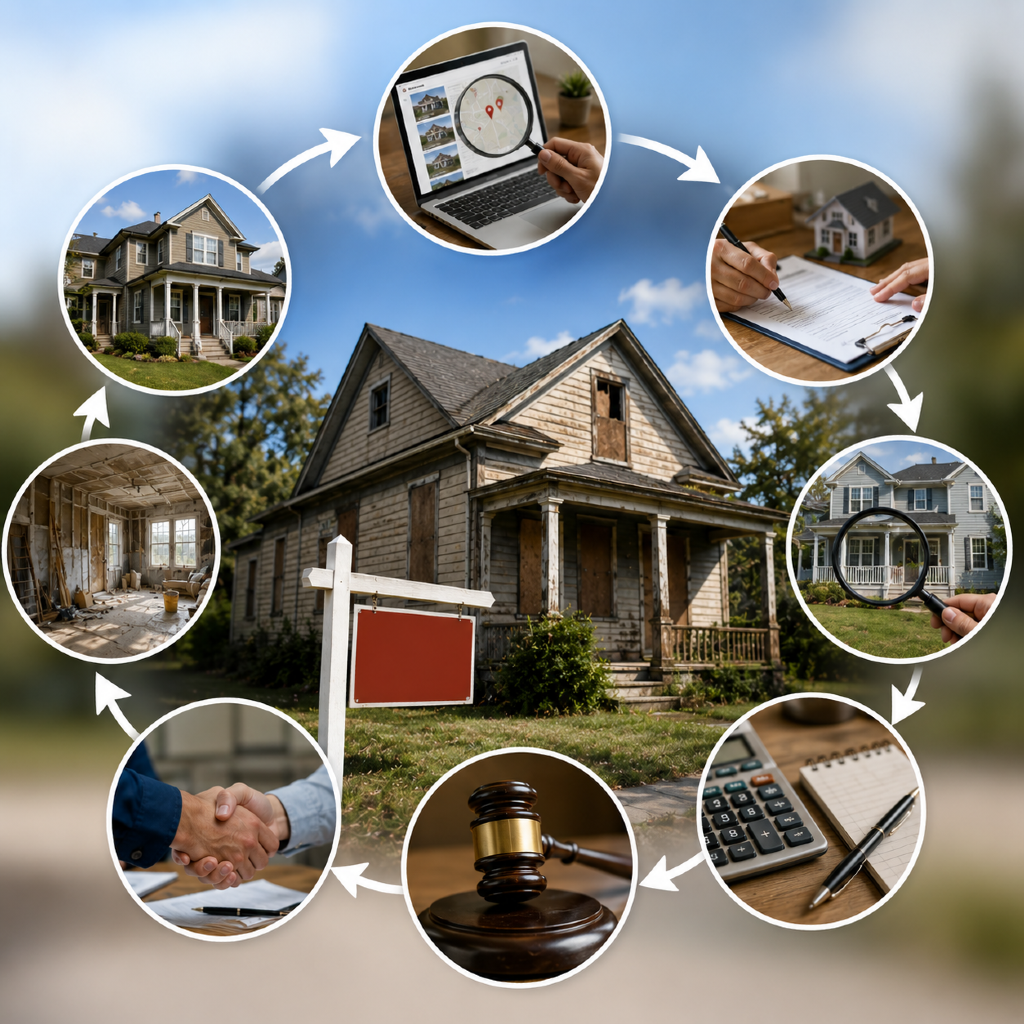
Key Takeaways
- Buying a foreclosure can offer significant savings, but it comes with unique risks and extra due diligence.
- Preparation, careful research, and professional guidance can help you navigate the complexities of foreclosed property purchases.
Many homebuyers consider foreclosures for potential savings, but understanding the risks is crucial to making a sound investment. This guide will lead you through each stage of buying a foreclosed property, highlighting where to proceed with caution and how to move forward confidently.
What Is a Foreclosed Property?
Definition and key terms
A foreclosed property is a home seized by a lender after the homeowner fails to keep up with mortgage payments. When a borrower defaults, the lender gains the legal right to sell the property in order to recover the unpaid loan balance. Common key terms include “foreclosure” (the legal process), “REO” (real estate owned, meaning the bank now owns the property), and “auction” (a public sale, often open to bids).
How properties become foreclosed
Properties become foreclosed through a series of legal steps. If mortgage payments are missed, the lender issues a notice of default. After a required waiting period and unsuccessful attempts to resolve the debt, the property goes through a foreclosure sale—either at auction or by becoming part of the lender’s owned inventory. Each stage affects your buying options and risks.
Why Consider Buying a Foreclosure?
Potential savings and value
Foreclosures are often priced below market value since lenders aim to recoup unpaid debts quickly. That can mean potential savings for buyers willing to undertake extra research and possibly invest in repairs. Lower purchase prices may enable you to build instant equity in the home.
Possible challenges and costs
However, foreclosed properties are sold “as-is,” often with minimal disclosure about their condition. You may face repair costs, unseen damage, or additional fees like back taxes and liens. The timeline can be unpredictable, and competition from other buyers is common, especially at auctions.
What You’ll Need Before Starting
Financial documentation
Before you begin your search, gather documentation to show your financial readiness. This typically includes recent pay stubs, tax returns, bank statements, and a letter showing proof of funds or mortgage pre-qualification. These documents will be essential if you decide to make an offer.
Research tools and resources
Successful foreclosure buyers lean on reputable listing sites, local public records, and sometimes specialized real estate professionals. Use online platforms dedicated to foreclosures, official county websites for property auctions, and property history databases to do your due diligence.
Step 1: Research Local Foreclosures
Where to find listings
Start by searching multiple sources: lender and government websites, online marketplaces with foreclosure filters, and public auction listings. Many counties post upcoming foreclosure sales on their official websites. Researching multiple sources increases your chance of finding suitable properties.
Evaluating property information
Carefully review available property data, paying attention to ownership status, occupancy, and any reported damage or code violations. Look for clues about the home’s history and community—such as past sale prices or neighborhood trends—that could affect value and resale opportunities.
Step 2: Assess Financial Readiness
Budgeting for purchase and repairs
Establish a clear budget, factoring in more than the purchase price. Build in funds for inspections, appraisals, repairs, potential back taxes, legal fees, and a financial cushion for surprises. Understanding your financial limits helps avoid overextending and disappointment later on.
Understanding funding options
Foreclosures can sometimes require faster closings or special financing. While traditional mortgages may work in some cases, certain properties might not qualify due to their condition. Explore forms of payment acceptable to sellers—often cash or renovation loans—and understand what paperwork you’ll need for your chosen funding method.
Step 3: Inspect and Evaluate Properties
Property condition considerations
Whenever possible, inspect properties in person. Unattended foreclosed homes may suffer from neglect, vandalism, water leaks, or safety hazards. Some sellers let you enter before bidding; others do not. Factor visible and hidden issues—like out-of-date systems or structural problems—into your offer and repair planning.
When to seek professional help
Serious issues may not be visible even with a walk-through. Hiring a professional inspector before committing to a purchase (when allowed) can reveal problems requiring significant investment. In complicated cases—such as unclear property lines or suspicious title history—you may also need legal or real estate expertise.
Step 4: Make an Offer on a Foreclosure
Offer process overview
Offers on foreclosed properties differ depending on whether the home is at auction or already bank-owned. At auction, you may submit bids in person or online, often with upfront deposit requirements. For bank-owned listings, you submit a written offer to the seller or managing agent, following their specified procedures.
What documents may be required
Be prepared to include proof of funds or loan approval, a signed offer form, and any required disclosures. Some sellers may require earnest money deposits or waivers acknowledging the “as-is” condition. Ensure every part of your offer package is complete to avoid delays or disqualification.
Step 5: Closing on a Foreclosed Home
Finalizing the sale
After your offer is accepted, the closing process typically involves a title search, final walk-throughs, and coordination of all documents and payments. You’ll likely work with a title or escrow company to ensure transfer of ownership is clear and valid.
Possible closing challenges
Last-minute hurdles can include unresolved liens, title issues, unexpected occupants, or delays in document processing. Stay in close touch with all parties involved. If problems arise, be prepared to consult third-party professionals or walk away if risks become unmanageable.
What Are the Risks of Buying Foreclosures?
Hidden costs and repairs
Many foreclosed homes need extensive repairs, with issues sometimes only discovered after closing. Costs can range from cosmetic updates to major system overhauls, so accurately estimating total expenses before making an offer is essential.
Title or legal complications
Foreclosures can involve unclear ownership history, past due taxes, or unresolved liens. A thorough title search is necessary to identify potential legal and financial hurdles. Addressing title issues after purchase can be expensive, so resolving these matters before closing protects your investment.