
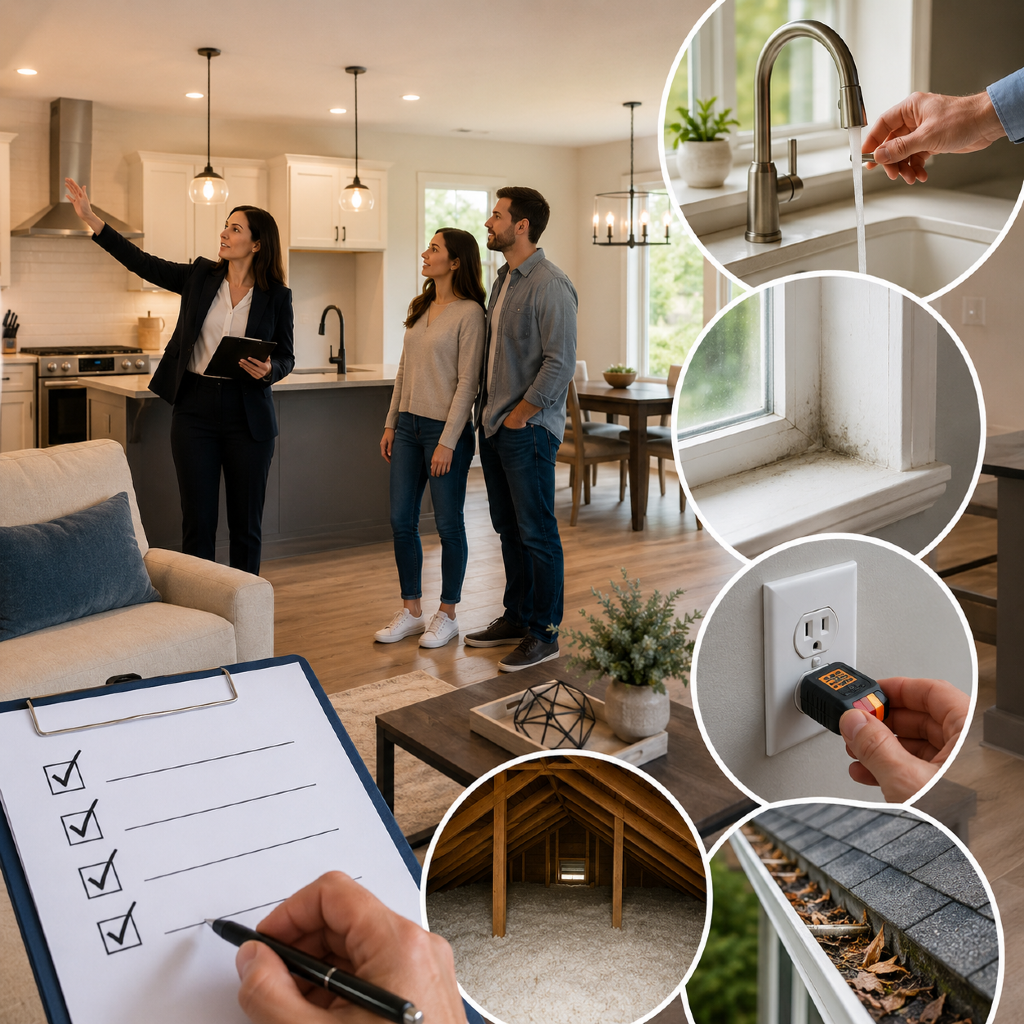
Key Takeaways
- A clear, organized checklist helps you thoroughly compare homes and spot potential issues early.
- Staying objective and considering your future needs leads to better, more confident home buying decisions.
When searching for your next home, touring properties gives you valuable, firsthand information beyond what you’ll find in listings or photos. With the right strategies and a structured checklist, you’ll be equipped to evaluate each home, spot red flags, and select a place that meets your needs for years to come.
Why Are Home Tours Important?
Understanding the home tour process
Touring homes allows you to experience the space and layout, identify the condition of key features, and better visualize your life in each property. These walkthroughs also reveal aspects that may be overlooked online—such as neighborhood atmosphere, sounds, and natural light. Home tours help bridge the gap between digital listings and reality, giving you a comprehensive perspective to inform your decisions.
Managing expectations as a buyer
It’s important to approach every home tour with an open, yet critical mindset. Not every property will fit your vision or budget, and some may have flaws that aren’t immediately obvious. Touring several homes also helps you develop realistic expectations for what is available in your price range, which keeps your search practical and grounded.
What Should You Bring to a Home Tour?
Essential items checklist
To get the most from each home visit, come prepared with:
- A printed or digital house checklist
- Notepad or note-taking app
- Measuring tape
- Phone/camera for photos (with permission)
- Flashlight for inspecting dim spaces
- Comfortable shoes
- A list of must-haves and nice-to-haves
- Questions for the agent or seller
Bringing these items ensures you’ll leave each tour with clear information to compare properties and remember critical details.
How to stay organized during visits
Keeping organized notes for each home will help you recall differences and similarities later. Consider creating a dedicated folder on your phone or in an app to store photos, floor plan sketches, and any immediate thoughts. After each tour, review your notes and checklist—this process helps you narrow down options and avoid confusion as you view multiple homes.
Assessing Curb Appeal and Exterior
Visual signs of upkeep
Start your tour by evaluating the home’s exterior. Well-maintained landscaping, fresh paint, and intact roofing often reflect consistent care. Also, watch for visible issues such as cracked driveways, damaged gutters, rotting wood, or signs of water drainage problems. Healthy curb appeal can indicate the overall upkeep of the property.
Neighborhood factors to notice
Beyond the home itself, pay close attention to the neighborhood. Is it quiet or lively? Are nearby properties maintained? How convenient are local amenities like parks, schools, and stores? Notice traffic patterns and street parking availability. The surrounding area can play a big role in your long-term satisfaction.
How to Evaluate the Interior Spaces?
Key rooms and features to inspect
Inside, take your time examining primary spaces:
- Kitchen: Inspect appliances, cabinets, counters, and water pressure.
- Bathrooms: Check for leaks, water stains, ventilation, and mold/mildew.
- Living spaces: Note flooring condition, electrical outlets, lighting, and windows.
- Bedrooms: Assess closet space, noise levels, and window views.
- Basement/attic/garage: Look for signs of moisture, insulation, or pests.
Remember to consider storage areas, laundry rooms, and overall flow between spaces. Walk through each area as if you already live there to test function and comfort.
Questions to ask during your tour
Consider asking:
- How old are major systems (roof, HVAC, water heater)?
- Have there been recent renovations or repairs?
- Are there known issues with electrical or plumbing?
- What is included in the sale (appliances, fixtures, etc.)?
These questions help you look beyond the surface and better understand the home’s true condition and history.
Spotting Potential Red Flags
Identifying structural issues
Be alert for signs that may indicate deeper problems:
- Cracks in walls or ceilings
- Uneven floors
- Sticky doors or windows
- Stains or musty odors (may signal water intrusion)
- Electrical outlets that don’t work
While these features may not always be cause for alarm, they should be noted and further examined. Document anything suspicious so you can share the details with a qualified inspector if needed.
When to consider a professional inspection
Even the most careful walk-through cannot replace a licensed home inspection. If you’re serious about a property, arrange for a professional to evaluate its structure, systems, and safety. They can uncover issues you might miss, helping you make informed choices and avoid costly surprises down the line.
Considering Future Needs and Lifestyle
Adaptability for changing needs
Think about how your life might evolve over time. Is there space for a growing family, a home office, or hobby areas? Flexible layouts, additional bedrooms, and multipurpose spaces add long-term value and reduce the need for moving again as your needs change.
Community amenities and commute
Consider how the home fits within your broader lifestyle. Are there parks, recreation options, or public transit nearby? How long is the typical commute to work or school? Exploring these factors during your tour ensures the home aligns with both your current routine and future plans.