Key Takeaways
- Buying a house without an agent requires extra preparation, due diligence, and understanding of paperwork.
- You can succeed solo by educating yourself on each step, consulting professionals where needed, and staying organized.
Thinking about buying a home on your own, without the help of a real estate agent? With the right preparation and an understanding of each key step, you can navigate the process with confidence. This guide will explain what to expect, how to prepare, and what documents you’ll need to close the deal successfully.
What Does Buying Without an Agent Mean?
Traditional vs. agent-free purchase
The traditional real estate process typically involves hiring an agent to guide you through each phase of buying a home. An agent usually helps you find listings, negotiate offers, manage paperwork, and coordinate closing. In an agent-free purchase, you take on these responsibilities yourself. You interact directly with sellers (or their agents), conduct research independently, and take charge of negotiations and documentation.
Common motivations for skipping an agent
You might consider buying without an agent for several reasons. Some buyers want to save on commission fees or believe they can negotiate better terms on their own. Others may already know the seller personally, feel confident in their market knowledge, or want direct control over the process.
Should You Buy Without an Agent?
Common scenarios for going solo
Certain situations naturally lend themselves to an agent-free approach. You may already have a property in mind (such as buying from a family member or friend), or you’re purchasing a home you’ve rented. If you’re experienced in real estate transactions, going solo can also make sense.
Assessing your confidence and preparedness
Before moving forward, ask yourself if you’re comfortable navigating the negotiation process, understanding legal paperwork, and staying organized throughout the transaction. Research and self-education are crucial. If you’re uncertain about any step, consider seeking advice from a real estate attorney or other professionals.
What You’ll Need Before Starting
Financial documentation overview
To buy a house without an agent, you’ll need up-to-date financial paperwork. This includes pay stubs, tax returns, bank statements, and records of assets or debts. Clear documentation will be essential when it’s time to apply for a mortgage or demonstrate your financial readiness to sellers.
Understanding local real estate laws
Every location has its own set of real estate rules and regulations. Study the laws in the area where you’re buying to ensure you understand required disclosures, contract practices, and legal timelines. You can consult public records or work with a real estate attorney for clarification.
Step 1: Get Preapproved for a Mortgage
How preapproval works
A mortgage preapproval gives you a specific amount a lender is willing to offer, subject to certain conditions. It demonstrates to sellers that you’re a serious and qualified buyer, strengthening your position when making an offer.
Documents lenders may require
To get preapproved, you’ll usually need recent pay stubs, W-2s or 1099s, tax returns, bank statements, information on outstanding debts, and proof of assets. Lenders will also check your credit history as part of the process.
Step 2: Find Suitable Properties
Researching listings on your own
Finding available homes is easier than ever thanks to online real estate platforms. You can search listings by neighborhood, price, features, and more. You might also explore “For Sale By Owner” (FSBO) sites and local listings that may not appear on major websites.
Evaluating neighborhoods and property types
Consider visiting areas of interest to assess amenities, commute times, and community features. Look into local schools, public safety, and public transportation options. Carefully weigh different property types—single-family homes, condos, or townhouses—to find what best fits your needs and budget.
Step 3: Conduct Your Own Showings
Arranging viewings with sellers
When you want to tour a home, contact the seller (or their agent, if they have one) directly. Schedule viewings at convenient times and prepare a list of questions about the property, utility costs, and any recent repairs or updates.
What to look for during visits
During showings, examine the property’s structure, condition of major systems (like the roof, HVAC, and plumbing), and signs of potential issues such as water damage or foundation cracks. Take notes and photos to compare properties objectively.
Step 4: Make and Negotiate Offers
Writing an offer independently
Writing an offer requires specifying the price, desired terms, contingencies, and deadlines. Use standard templates for your state or region to ensure you meet all legal requirements. If you’re unsure, a real estate attorney can review your documents before submission.
Negotiation basics without representation
Without an agent, you’ll negotiate with the seller or their agent directly. Be prepared to discuss price, repairs, closing costs, and contingency timelines. Remain professional, clear, and responsive throughout negotiations.
Step 5: Complete Inspections and Appraisals
Home inspection process explained
An independent home inspection is an important safeguard. Hire a qualified inspector to evaluate the property’s major systems and highlight any costly or hidden issues. Their report will help you decide whether to move forward or negotiate repairs.
What to know about appraisals
Lenders require an appraisal to confirm the home’s value before finalizing the mortgage. The appraiser will assess comparable sales and condition to ensure the property justifies the loan amount. Be prepared for possible renegotiations if the appraisal comes in low.
Step 6: Manage Closing Paperwork
Essential documents you’ll sign
Closing involves signing several legally binding documents: the purchase agreement, loan disclosures, deed transfer forms, settlement statement, and more. Read everything carefully and ask questions about anything you don’t understand.
Working with title and escrow professionals
A title company or escrow agent typically manages the closing process. They ensure that funds and documents are handled securely, help resolve title issues, and facilitate the legal transfer of ownership. Even without an agent, these professionals are essential to finalizing your transaction.
What Risks Are Involved in Buying Solo?
Potential challenges without agent expertise
Going solo means you’ll need to identify potential contract issues, understand disclosures, and negotiate without expert guidance. You may also face difficulty spotting red flags with a property or miss opportunities to negotiate favorable terms.
How to mitigate common pitfalls
You can manage risks by thoroughly educating yourself, enlisting help from real estate attorneys or other specialists for contract reviews, and carefully inspecting all paperwork. Maintain detailed records and be proactive about addressing any issues that arise during the process.
Key Documents for Agent-Free Home Purchase
Purchase agreement overview
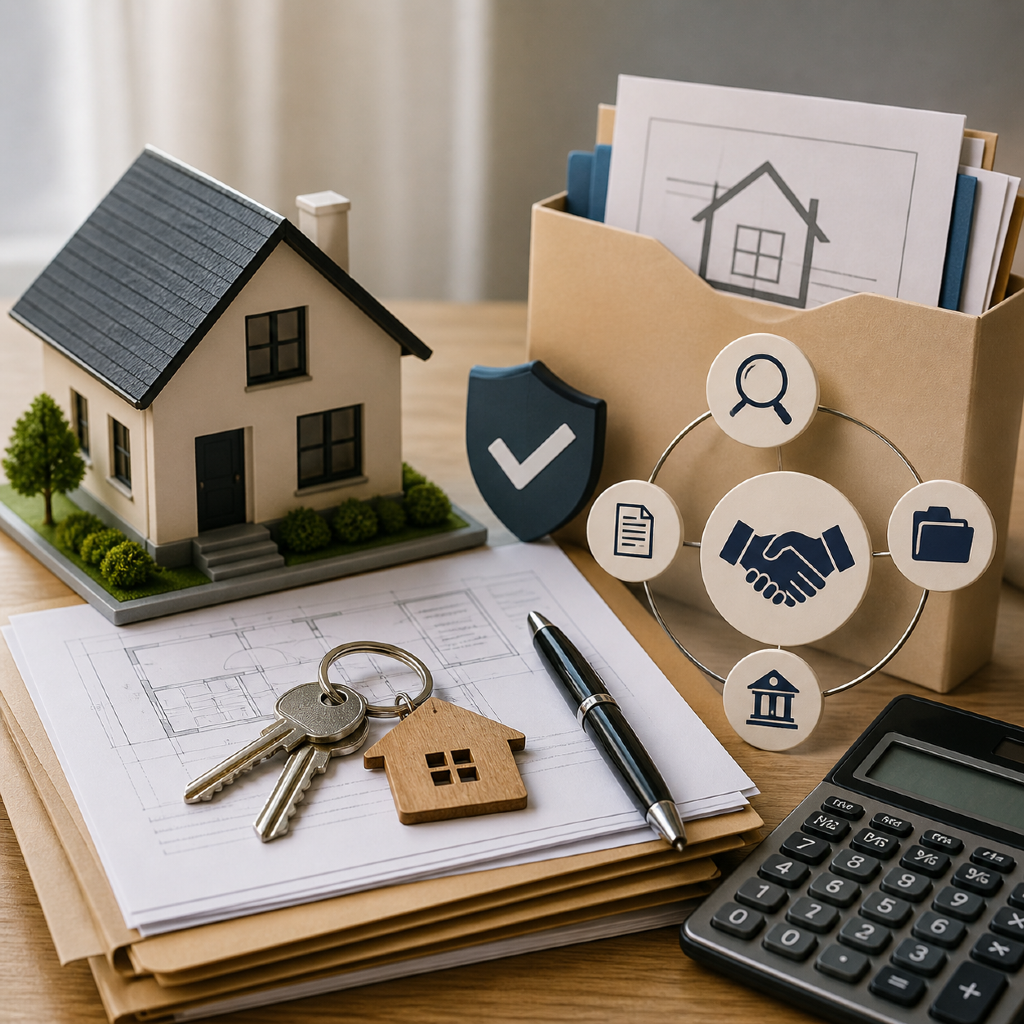
The purchase agreement is the primary contract between buyer and seller, outlining price, contingencies, timelines, and closing details. State or local standard forms are recommended to ensure legal compliance and to include necessary disclosures.
Disclosure forms and legal paperwork
Buyers need to review various disclosures—such as property condition, lead-based paint, or flood zone status—depending on local laws. Other key paperwork can include title search results, inspection and appraisal reports, loan documents, and the settlement statement. Always ensure that you retain copies of every signed document.