Key Takeaways
- Comparing core features and using a checklist helps you make well-informed home-buying decisions.
- Understanding each part of the process, from finances to closing, prepares you for a confident purchase.
Buying a home is both exciting and challenging. With many features to consider and several steps to follow, having clear guidance and a practical checklist can make the process much smoother. This overview will help you identify what to look for, which questions to ask, and how to get organized before you make one of life’s biggest investments.
What Does Buying a Home Involve?
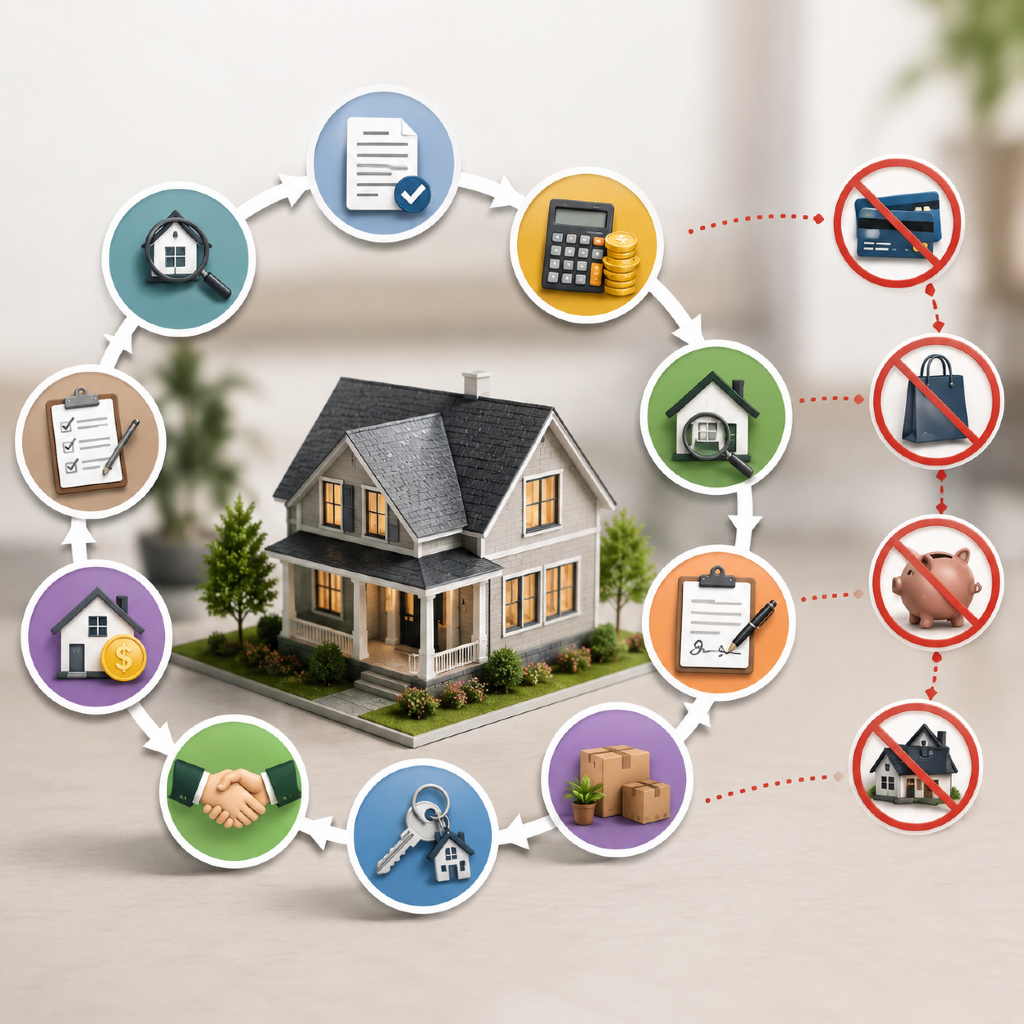
Typical steps in the process
The path to owning a home typically starts with defining your needs and budget. It often involves the following steps:
- Researching and selecting locations
- Comparing available homes
- Scheduling tours and inspections
- Securing financing and submitting offers
- Completing necessary paperwork
- Planning for closing and finalizing the purchase
Each step depends on your preparation and how well you understand what’s involved. From your first online search to finally getting the keys, every part is important.
Why planning is important
Planning is the foundation of a confident home purchase. By taking time to organize your finances, make a checklist, and gather information, you reduce surprises and delays. Careful preparation also helps you compare homes fairly and choose a property that truly matches your needs.
Which Key Features Should You Compare?
Location and neighborhood details
Where a home sits is just as important as the property itself. Think about factors like commute times, access to schools, shopping, parks, and general neighborhood safety. Consider both current amenities and the community’s future plans. Walking or driving the area at different times of day can offer valuable insights into daily life there.
Home structure and condition
Look closely at the building’s materials, age, and design. Are there signs of recent repairs or ongoing maintenance needs? Pay attention to the foundation, roof, walls, windows, plumbing, and electrical systems. A well-kept property may mean lower long-term costs and fewer surprises down the road.
Size, layout, and future needs
Beyond the number of bedrooms or bathrooms, think about the way the home is laid out. Open floor plans, storage spaces, and the potential for future changes (like adding a room) all affect daily comfort. Try to match your purchase with how you expect your needs to change in the next several years.
How Does a Home Buying Checklist Help?
Benefits of a checklist
Using a checklist during your search keeps you organized, consistent, and less likely to overlook an important detail. It’s a simple but powerful way to compare properties fairly, track your needs, and share information with any co-buyers or advisors.
Essential items to include
Your checklist should cover at least:
- Location preferences and commute times
- Condition of major features (roof, foundation, HVAC)
- Room sizes and storage needs
- Outdoor spaces (yard, garage, patio)
- Proximity to schools, work, and essential services
- Potential renovation or upgrade requirements
Customizing the list to your priorities gives you a clearer sense of what matters most.
What Questions Should You Ask at a Home Tour?
Assessing property condition
Ask direct questions about the property’s age, maintenance, and history of repairs. Don’t hesitate to look closely at walls, ceilings, plumbing, and appliances. Take note of odors, moisture, or cracks that could point to bigger issues.
Evaluating age and recent updates
Find out when major updates were last completed on the roof, electrical system, plumbing, or heating and air conditioning. If appliances are included, ask about their age and service history. Confirming these details helps you budget for potential repairs or replacements.
Understanding Home Financing Basics
What is mortgage pre-approval?
Mortgage pre-approval shows how much a lender may be willing to let you borrow based on your financial profile. It can give you an edge when making an offer, as sellers often prefer buyers who have already started the financing process. Remember, pre-approval isn’t a guarantee of a final loan but is a useful step in budgeting and negotiations.
Factors affecting loan eligibility
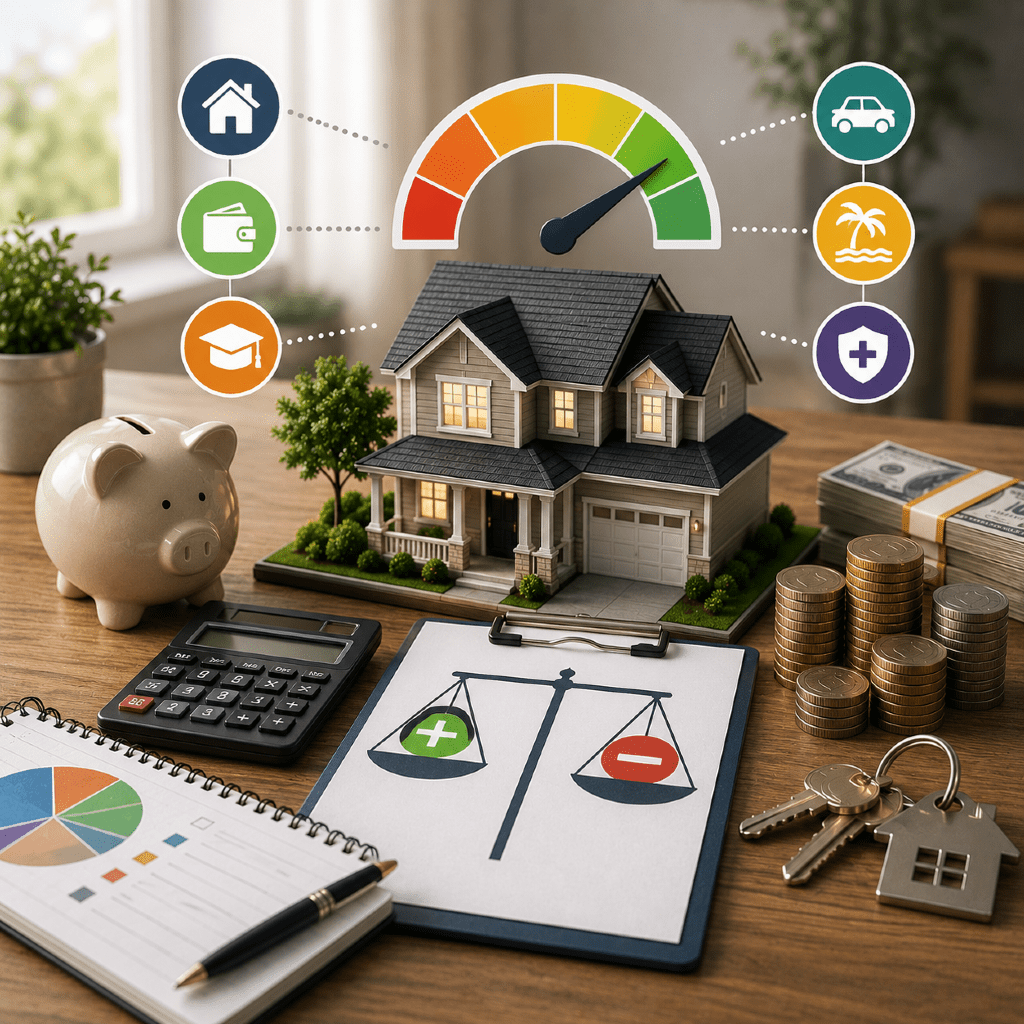
Key factors influencing your ability to secure a mortgage include credit score, income, existing debts, and job stability. Lenders will review these details to assess your risk as a borrower. Keeping your finances organized and understanding these factors in advance puts you in a strong position.
What Documents Are Required to Buy a Home?
Common paperwork needed
Home buying involves collecting several documents, including identification, proof of income (like pay stubs or tax returns), recent bank statements, and a formal offer letter. Your lender may also request evidence of debts, assets, and prior housing arrangements as part of their review.
Why documentation matters
Accurate paperwork helps lenders, title companies, and other professionals verify your eligibility and process the sale correctly. Having these documents ready can keep the process moving forward and reduce delays.
How Do Closing Costs Affect Your Budget?
Typical closing expenses
When you buy a home, you’ll likely pay a variety of fees at closing. These may include loan processing fees, appraisal costs, title insurance, property taxes, and homeowner’s insurance. Closing costs can range from 2% to 5% of the purchase price, depending on many factors.
Planning ahead for fees
Understanding and budgeting for closing costs is key to a successful purchase. Reviewing the itemized estimate early can help you avoid surprises. Setting aside funds for these expenses ensures a smoother experience on closing day.
Does Home Value Change Over Time?
What affects property value?
Property value can rise or fall based on location, home condition, improvements, and the broader real estate market. Local developments, school ratings, and crime levels can all play a role. Keeping your home well-maintained helps protect its value.
Market and personal factors
Wider economic factors, such as interest rates and job markets, influence property prices. Personal changes—like new family needs or work locations—can affect whether a home remains a good fit. Remember that buying a home involves market risk, so a long-term mindset is often best.