Key Takeaways
-
The design and architecture of a home influence your emotions long before you step inside, shaping your expectations and perception of value.
-
From layout and symmetry to curb appeal and lighting, the built environment communicates subtle messages that guide your buying decisions.
The Emotional Impact of First Impressions
When you first approach a home, your emotional response begins before you even touch the front door. The combination of architectural style, landscaping, and external details creates a sense of harmony or dissonance. This initial impression sets the tone for your entire viewing experience. You might feel excited, comfortable, or even hesitant, depending on what you see.
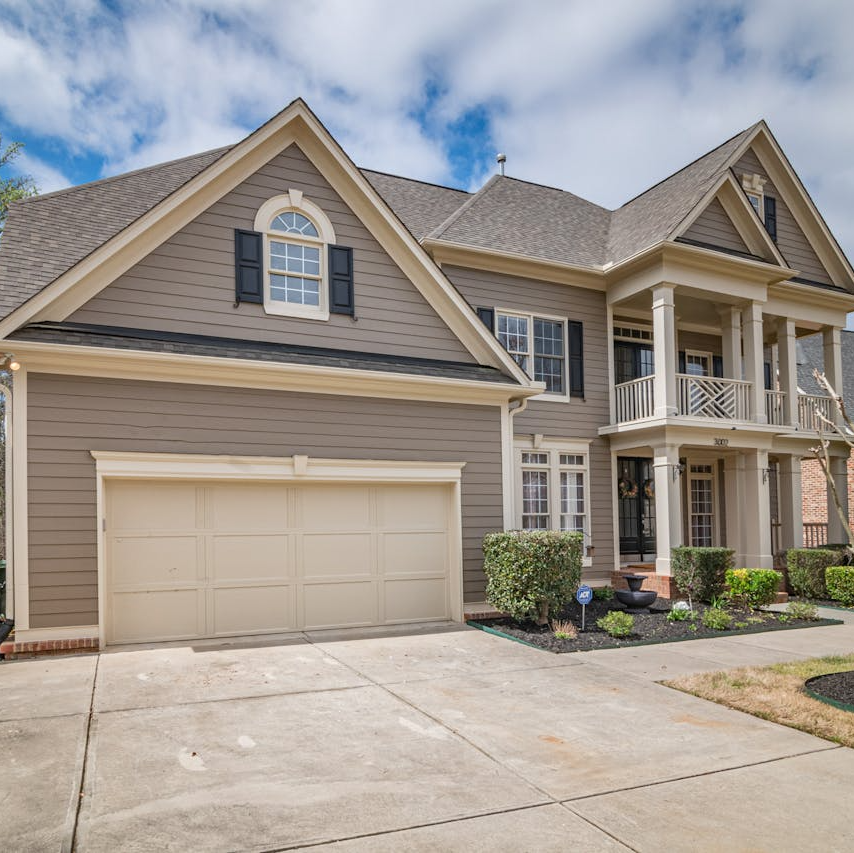
Curb appeal in particular plays a powerful role. A well-maintained exterior, clean lines, and balanced proportions can make you feel that the home is cared for and welcoming. On the other hand, neglected or confusing design features may plant doubts in your mind about the property’s condition or long-term value.
How Architecture Sets Expectations
Architecture is more than aesthetics. It influences your sense of space, comfort, and security. The height of ceilings, the width of hallways, and the placement of windows all play into how you imagine living in the space. Even before entering, you already form expectations about how the interior will feel based on the external design.
For example, symmetry in architecture often conveys stability and balance. Modern designs with open facades may project freedom and innovation. Classic styles can make you expect warmth and tradition. These subtle cues influence your emotions, which in turn guide your level of interest before the tour even begins.
The Role of Light and Space
Natural light is a key factor that shapes how you feel about a property. Even from the outside, the placement and size of windows affect whether you view the home as open and inviting or closed off and restrictive. Once you step inside, the amount of daylight can directly impact your mood, creating a sense of energy, calm, or confinement.
Equally important is the perception of space. A wide entryway signals openness, while narrow or cluttered entrances may trigger feelings of constraint. These architectural decisions influence how you anticipate your experience in the home, and they can even affect your willingness to proceed with the buying process.
How Exterior Design Influences Confidence
The exterior design of a home is often the most visible representation of its character. Details such as the roofline, porch, door style, and landscaping all contribute to your sense of confidence in the property. When these features are cohesive and thoughtfully designed, you are more likely to feel trust in the quality of the home.
Inconsistent or mismatched elements, however, may make you question whether shortcuts were taken. Even before seeing the interior, you might worry about hidden maintenance costs or structural issues. This shows how architecture and design subtly influence your decision-making process.
Interior Flow and Anticipation
When you imagine stepping into a home, the layout creates anticipation. Open floor plans suggest easy movement and social connection, while compartmentalized spaces may feel private but restrictive. Even if you have not walked through yet, the exterior design hints at what you will encounter inside.
Buyers often begin to envision their daily lives based on these cues. For example, large front windows may suggest bright living spaces, while a prominent front porch can make you anticipate outdoor gatherings. Your emotional response develops in layers, starting from the exterior and extending into your expectations about interior living.
The Power of Symmetry and Proportion
Humans are naturally drawn to balance and order. Symmetrical facades and proportional features often create feelings of harmony and calm. When a home aligns with these design principles, you tend to view it as stable and well-planned. This emotional response can increase your confidence before you ever step inside.
Asymmetry, while often used intentionally in modern architecture, can evoke curiosity or unease depending on its execution. The balance of proportions—such as the relationship between windows, doors, and rooflines—directly affects how you feel about the home’s overall quality.
Materials and Emotional Resonance
The materials used in construction also shape your emotions. Natural stone, wood, and brick can evoke a sense of durability, warmth, or timelessness. Sleek metals and glass might feel modern, sophisticated, and forward-thinking. Even before a tour begins, the tactile impression of these materials communicates meaning.
These choices are not just about style; they influence your subconscious expectations. Durable materials may make you feel secure, while artificial or low-quality finishes could trigger concerns about longevity.
Landscaping as Emotional Framing
Landscaping frames the architectural story of a home. Well-placed trees, pathways, and gardens soften hard edges and guide your eye toward the entrance. This framing influences your sense of welcome and belonging. A yard that feels intentional can make you eager to explore further.
Poorly planned or neglected landscaping, in contrast, may create feelings of unease. Even before entering, you might sense that the property is less inviting. This emotional framing plays a critical role in your buying decisions.
Timeframes and the Emotional Journey
The emotional influence of design and architecture unfolds across specific timelines. Within the first 7 to 10 seconds of seeing a home, you form an initial judgment. Over the next few minutes, details like symmetry, material quality, and landscaping reinforce or challenge that impression. By the time you begin the tour, your emotions are already guiding your level of openness and interest.
Understanding this progression helps you see why certain homes feel immediately appealing while others require effort to win you over. The architecture and design choices essentially set the stage for everything that follows.
The Lasting Memory Effect
Even after leaving a property, the design and architectural choices leave lasting imprints in your memory. You might not recall every room’s details, but you will remember how the home made you feel. Positive emotions linked to design tend to resurface when you later compare options. This lasting memory effect means that design influences not just first impressions but also your long-term decisions.
Why Emotions Drive Buying Decisions
You may think buying a home is purely rational, but emotions play a central role. Design and architecture connect with your subconscious, influencing feelings of safety, aspiration, and belonging. These emotions often shape your decision more strongly than technical specifications.
By recognizing how your emotions are guided by design, you can become a more mindful buyer. This awareness allows you to balance your feelings with practical considerations, ensuring that your final decision aligns with both your heart and your long-term needs.
Moving Forward with Clarity
Design and architecture do not just create a backdrop; they are active participants in your buying journey. From curb appeal to layout, every choice communicates something to you before the tour begins. By learning to read these cues, you gain clarity in your decision-making process.
If you are preparing to buy a home in 2025, take time to consider not only the technical details but also how the property’s design makes you feel. Your emotions will influence your satisfaction long after the closing date. To explore this process with confidence, connect with a licensed agent listed on this website for expert guidance.