
Key Takeaways
-
Skipping a home inspection often results in years of hidden repair costs that could have been avoided with early detection.
-
A thorough inspection protects your financial security and provides a clear picture of the property before you commit.
Why Buyers Overlook Inspections
In the rush to secure a home, many buyers decide to waive the inspection process. This choice usually comes from competitive market conditions where sellers prefer offers without contingencies. Some buyers may also believe they are saving money or time. However, overlooking inspections leaves you exposed to risks that may not surface until after you move in. Once those problems appear, they become your responsibility.
The True Purpose of Inspections
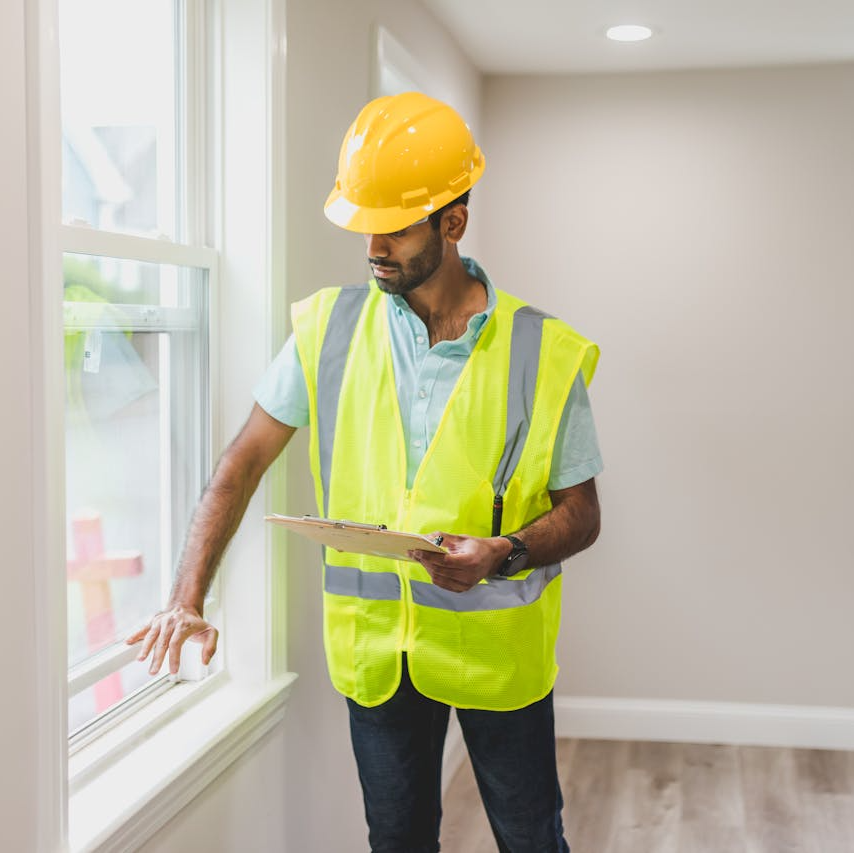
A home inspection is not a mere formality. It is an in-depth review of the property’s systems, structure, and safety features. Inspectors examine everything from the foundation to the roof, along with plumbing, electrical wiring, HVAC systems, insulation, and more. This process reveals hidden problems that could require thousands of dollars in repairs if ignored.
Common Issues Missed Without Inspections
When you skip an inspection, you may overlook problems that can take months or years to reveal themselves. These issues often include:
-
Roof damage hidden under shingles
-
Foundation cracks that expand with time
-
Electrical hazards like outdated wiring or overloaded circuits
-
Plumbing leaks behind walls or under floors
-
Mold and moisture damage in attics or basements
-
Inefficient insulation that inflates energy bills
Without professional evaluation, these problems remain invisible until they develop into costly repairs.
Short-Term Savings Versus Long-Term Costs
Waiving an inspection might seem like a strategy to save a few hundred dollars upfront or secure a faster deal. But the reality is much harsher. The cost of repairing an HVAC system, replacing a roof, or resolving water damage can easily exceed tens of thousands of dollars. What feels like a shortcut today becomes a financial burden tomorrow. Buyers in 2025 should view inspections as insurance against years of unexpected expenses.
The Timeline of Problems After Skipping Inspections
Problems from skipping inspections rarely show up immediately. Instead, they often follow predictable timelines:
-
Within 6 months: Leaks, poor drainage, or small electrical problems appear.
-
Within 1 year: HVAC inefficiencies, pest infestations, and early signs of mold develop.
-
Within 3 years: Foundation shifts or roof leaks become more noticeable.
-
Within 5 years: Major structural issues or significant system failures emerge.
By the time you recognize these problems, you have already invested heavily in repairs that could have been avoided with a professional inspection before purchase.
Safety Risks for You and Your Family
The risks of skipping inspections are not limited to money. Structural or electrical issues can directly threaten the safety of everyone in the home. Exposed wiring, radon exposure, carbon monoxide leaks, and unsafe staircases are hazards inspectors often uncover. Choosing to bypass an inspection can leave you vulnerable to dangers that compromise your well-being.
Negotiation Power You Lose Without Inspections
One of the most overlooked benefits of an inspection is the leverage it provides during negotiations. If inspectors find issues, you can request repairs, negotiate a lower price, or ask for seller concessions. Without this knowledge, you give up bargaining power and accept the property as-is. This not only increases your financial risks but also removes your opportunity to secure a fairer deal.
Emotional Impact of Regret
Beyond the financial strain, there is a psychological toll. Owning a home that constantly demands expensive repairs leads to frustration and regret. Buyers who skip inspections often find themselves wishing they had taken the time for a professional review. The stress of repeated breakdowns and repairs undermines the joy of homeownership.
How Inspections Save You Over Time
Inspections do more than identify immediate problems. They also provide a roadmap for future maintenance. Inspectors often advise on the remaining lifespan of major systems, helping you budget and plan responsibly. Instead of being blindsided by sudden breakdowns, you stay prepared for upcoming expenses.
The Changing Market in 2025
In 2025, the real estate market remains competitive in many regions, but buyers are also more informed. Sellers know that buyers expect transparency. Inspections are increasingly seen as non-negotiable, particularly as building codes evolve and climate risks affect property conditions. Buyers who prioritize inspections demonstrate diligence that protects them against rising repair costs.
What to Expect From a Professional Inspection
When you hire an inspector, expect the process to last about two to four hours depending on the size and condition of the property. Inspectors provide a detailed report within 24 to 48 hours, highlighting immediate concerns and long-term risks. This written record becomes a valuable resource for negotiations and for your personal maintenance planning.
The Role of Licensed Agents in Guiding Buyers
Licensed agents play a crucial role in ensuring you do not overlook inspections. They help coordinate the process, recommend reliable inspectors, and guide you through the implications of the findings. Their expertise ensures you use the inspection results to your advantage, rather than stepping into ownership blindly.
Long-Term Financial Protection
Ultimately, inspections are not about adding another step to the buying process. They are about protecting your financial security over decades of ownership. The average homeowner invests significant resources into their property, and skipping an inspection jeopardizes that investment. With careful evaluation upfront, you avoid years of expensive repairs and regret.
Protecting Your Future With Smarter Decisions
Choosing to invest in a professional home inspection is one of the smartest decisions you can make as a buyer. It guards against hidden defects, strengthens your negotiation position, and ensures peace of mind as you settle into your new home. Do not let short-term pressures push you into long-term regrets. Reach out to a licensed agent listed on this website for guidance on securing your purchase with the right protections in place.