Key Takeaways
-
Design trends in housing shift more rapidly today than at any point in the past, leaving many homeowners struggling to keep their spaces current.
-
Understanding why these changes happen so quickly can help you make smarter decisions when buying a home in 2025.
Why Trends Move at Lightning Speed
Design trends in housing move faster than most homeowners expect. What felt modern in 2020 is often seen as outdated just five years later. The pace of change in home design is now aligned with cultural shifts, social media influence, and the speed of consumer behavior. Instead of lasting decades, many trends now cycle out in under 5 to 7 years.
Social media has intensified this cycle. A design feature that gains popularity on platforms can reach millions within days, accelerating its adoption and equally rapid decline. What was once a trend that spread locally through word of mouth or magazines now has a global stage, shortening its life span dramatically.
The Impact of Technology
Technology plays a powerful role in driving these fast-moving shifts. Smart home devices, energy-efficient upgrades, and new building materials constantly push homeowners to adapt. For example, lighting designs that were popular in 2015 no longer match the integrated smart systems available in 2025.
Another technological factor is accessibility. You can now browse endless design options online, compare styles instantly, and order custom features within days. This has removed the slower adoption barriers that existed in the past, making trends easier to implement but also easier to replace.
How Buyer Expectations Change
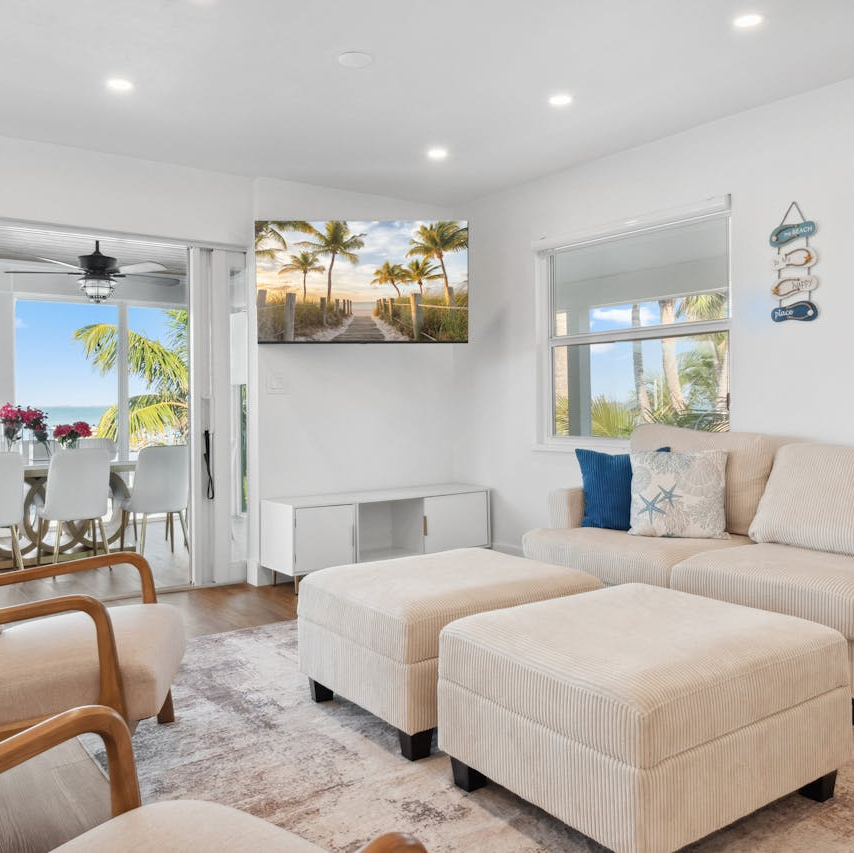
When you shop for a home, design is rarely just about appearance. Buyers in 2025 carry different expectations than buyers even a decade ago. Many want open-concept layouts, flexible living spaces, and minimalist finishes. At the same time, sustainability, energy savings, and adaptable designs carry more weight in decision-making than before.
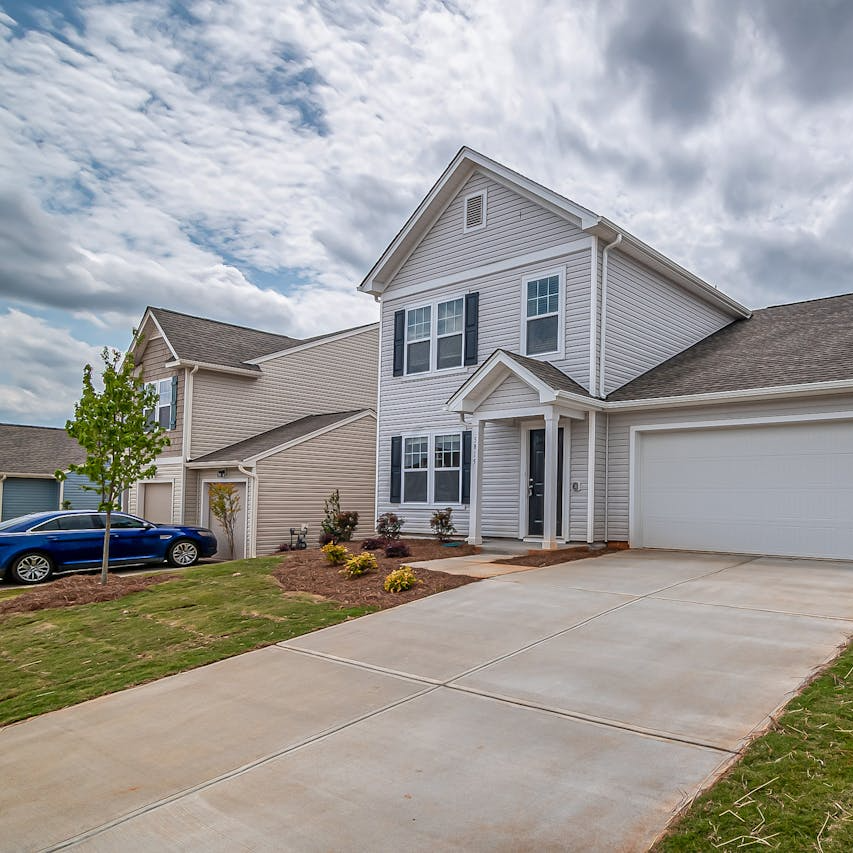
This shift in priorities means homes built with a specific design trend in mind can feel dated within a few years. What seemed innovative during construction may be the very feature that lowers resale appeal later.
The Cost of Keeping Up
One of the biggest challenges for homeowners is the financial strain of chasing trends. While design changes can refresh your space, constant updates can drain savings. For instance, popular flooring choices that once lasted decades are now replaced by new finishes every few years.
The cost of remodeling in 2025 remains significant, with kitchen and bathroom updates often running into tens of thousands of dollars. Homeowners who attempt to stay on-trend may find themselves spending heavily without achieving long-term value.
Shorter Lifespans of Popular Features
Unlike in the past, when a design feature like granite countertops could dominate for 20 years, today’s popular features often have shorter lifespans. By the time you complete a renovation, newer designs may already be trending. Features like matte black hardware or geometric tiles, once groundbreaking, can quickly start to feel overused.
This shortened cycle means you risk your home feeling outdated sooner than you expect. Recognizing the life expectancy of a design choice before investing can help you avoid costly regrets.
Timelines of Change
Understanding the timeline of trend cycles is critical:
-
Paint colors often shift every 2 to 3 years.
-
Flooring styles see major changes every 5 to 7 years.
-
Kitchen designs turn over every 10 years.
-
Bathroom finishes typically shift within 7 years.
Knowing these durations allows you to plan investments more strategically, focusing on timeless upgrades where possible.
Balancing Timeless and Trendy
To reduce the risk of your home looking outdated, balance timeless elements with trend-driven features. Core components such as flooring, cabinetry, and structural layouts should lean toward classic styles. These form the foundation of your home and are costly to replace.
Meanwhile, incorporate trends in easier-to-change areas like paint, light fixtures, or decorative hardware. This strategy allows you to refresh the look of your home every few years without major expenses.
The Role of Resale Value
For buyers, design choices are more than just personal preferences. They directly impact resale value. A home filled with trend-specific elements may attract fewer buyers if those features fall out of style quickly. Conversely, a home that blends timeless foundations with modern touches appeals to a broader audience.
When preparing to buy, consider how design choices will hold up not just in the next 3 years, but in the next 10 to 15. This long-term perspective protects your investment.
The Emotional Factor
Design trends also carry a powerful emotional weight. Many buyers want a home that feels current, modern, and ready to move into. A dated design, even if functional, can create hesitation. The emotional reaction to design often outweighs practical considerations, pushing homeowners to spend more than necessary to achieve a look that aligns with current standards.
Being aware of this emotional influence allows you to separate true needs from fleeting wants when evaluating a property.
Global Influence on Local Homes
In the past, design trends often stayed within regions, with certain styles dominating specific states or cities. Today, global sharing of ideas has blurred these boundaries. A style popular in Europe can appear in U.S. homes within months. This global influence speeds up trend cycles while also creating a more homogenized design culture.
As a buyer, you may encounter design choices influenced by international trends, even in local markets. Recognizing this influence helps you understand why certain styles dominate listings during specific years.
Generational Shifts in Preferences
Different generations also fuel rapid changes. Younger buyers often seek bold, modern styles, while older buyers lean toward traditional designs. As millennials and Gen Z increasingly enter the housing market, their preferences push demand toward more modern, minimalist features.
Because these groups often dominate first-time buyer segments, their influence accelerates changes in new builds and remodels, leaving established homeowners struggling to keep pace.
Social Media’s Lasting Role
Social media continues to dominate design conversations. A viral trend can make certain features seem essential overnight. Yet the same trend can become outdated just as quickly once the cycle shifts. Buyers now judge homes not just by function but also by how “Instagram-ready” they appear.
This pressure reinforces the need to separate short-term visual appeal from long-term durability when making decisions as a homeowner.
Choosing Wisely When Buying
When buying a home, prioritize elements that have enduring appeal. Instead of chasing what is currently popular, think about which designs will stand the test of time. Clean layouts, neutral palettes, and practical features remain desirable across decades, even as trends come and go.
If you want to incorporate trendy elements, focus on those that are less expensive to update. This ensures your home can be refreshed every few years without exhausting your budget.
Protecting Your Investment
The best way to protect your investment in 2025 is to blend timelessness with flexibility. Understand that design trends will continue to change rapidly, and plan accordingly. Avoid over-investing in features with a short lifespan and concentrate on upgrades that enhance both function and style.
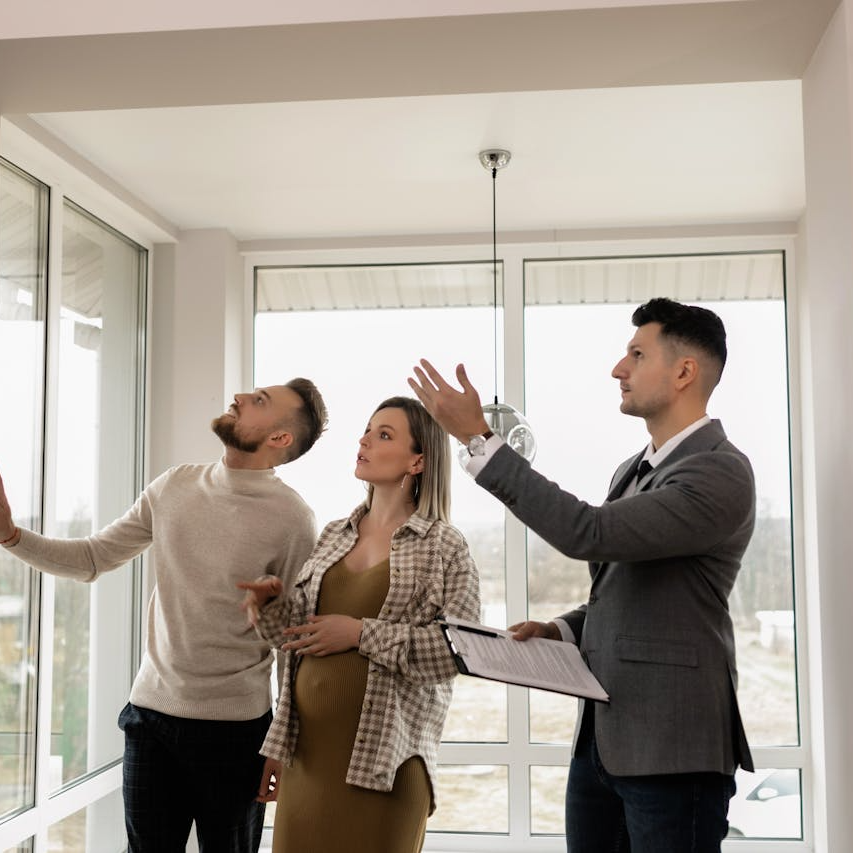
Working with a licensed agent listed on this website can help you evaluate homes through this lens, ensuring that you balance current style with long-term value.
Looking Ahead
Design trends in housing will not slow down. In fact, the cycle is likely to get even faster as technology, social media, and generational preferences continue to evolve. By understanding these forces, you can make smarter choices and avoid the financial and emotional trap of constant updating.
Stay mindful of both your lifestyle needs and future resale value, and let timeless design guide your decisions while still allowing room for creativity and personalization.