Key Takeaways
-
A thorough home inspection uncovers structural, mechanical, and safety issues that may not be visible during a showing.
-
Investing time in a detailed inspection in 2025 saves you from unexpected repair costs, strengthens your negotiation position, and ensures long-term confidence in your purchase.
Why a Careful Look Matters More Than First Impressions
When you walk through a potential home, it is easy to be impressed by freshly painted walls, updated fixtures, and polished staging. But what lies behind the walls or beneath the floors often tells the real story. A thorough home inspection reveals problems that surface appearances hide, giving you a clearer view of the property before committing to a mortgage.
In 2025, with rising property values and competitive markets, skipping or rushing this step can lead to financial and emotional setbacks. You need the full picture to make an informed decision.
The Real Purpose of a Home Inspection
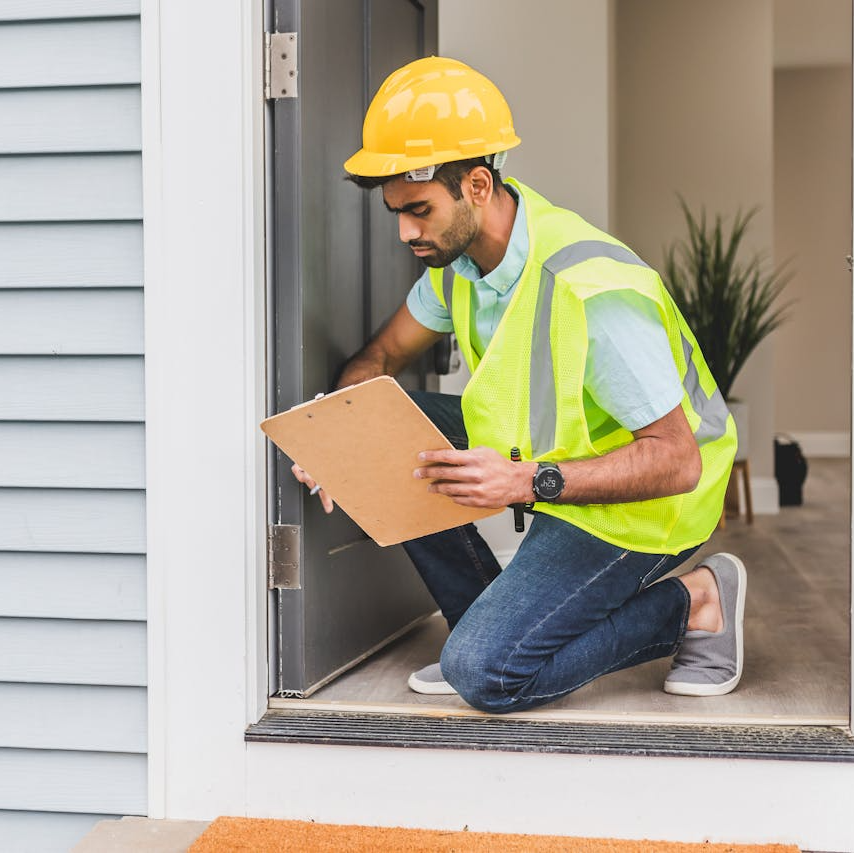
A home inspection is more than a checklist. It is a professional evaluation of the property’s condition, systems, and potential risks. It covers areas that you, as a buyer, cannot reasonably assess on your own during a showing.
The process typically takes between 2 to 4 hours for an average-sized home, with longer durations for larger properties or those with complex systems. Within a few days, you usually receive a comprehensive report that outlines both immediate concerns and potential future maintenance needs.
Common Problems Inspections Reveal
1. Structural Issues
-
Cracks in foundations or load-bearing walls
-
Uneven floors suggesting settling or water damage
-
Roof framing problems that compromise stability
2. Electrical Concerns
-
Outdated wiring not compliant with current codes
-
Overloaded breaker panels
-
Missing ground fault circuit interrupters (GFCIs) in bathrooms or kitchens
3. Plumbing Red Flags
-
Leaks hidden behind walls
-
Corroded pipes that can cause future water damage
-
Low water pressure pointing to system inefficiencies
4. HVAC System Failures
-
Furnaces nearing the end of their lifespan (often 15–20 years)
-
Inefficient air conditioning units
-
Poor ventilation that impacts air quality
5. Roofing and Exterior Issues
-
Missing or broken shingles
-
Poor drainage leading to water intrusion
-
Inadequate insulation in attics
6. Safety Hazards
-
Presence of mold or asbestos
-
Radon gas levels above recommended thresholds
-
Structural elements that pose fall risks
How Inspections Strengthen Your Position
When hidden problems are discovered early, you have options. You can negotiate for repairs, request a credit at closing, or walk away if the risks outweigh the benefits. In 2025, with rising repair and labor costs, these negotiations matter more than ever.
The inspection report also serves as documentation. If issues arise later that were not disclosed, having a professional record strengthens your legal standing.
The Timeline of an Inspection in 2025
-
Offer Acceptance: Once your offer is accepted, you typically have 5 to 10 days to schedule and complete an inspection.
-
Inspection Day: The inspection itself usually takes half a day or less, depending on property size.
-
Report Delivery: Within 2 to 3 business days, you receive a written report with findings and photos.
-
Negotiation Window: After receiving the report, you have a short period (often 3 to 7 days) to renegotiate terms or request repairs.
This timeline emphasizes the need to act quickly but carefully. Delays can cause you to miss important contractual deadlines.
The Costs You Avoid by Inspecting Thoroughly
While inspection fees are a modest upfront cost, skipping them can expose you to major expenses later. For example:
-
Foundation repairs can exceed tens of thousands of dollars.
-
Roof replacements typically require significant investment and immediate scheduling.
-
Rewiring an older home is not only costly but also disruptive to your living situation.
In 2025, with construction and labor costs continuing to climb, these risks are more financially damaging than they were even a year ago.
The Role of Specialized Inspections
A general inspection covers most visible and accessible systems, but specialized inspections may also be needed:
-
Pest Inspection: Detects termites, carpenter ants, or rodents.
-
Radon Testing: Essential in certain regions for safety.
-
Sewer Scope: Uses a camera to detect blockages or damage in underground pipes.
-
Chimney Inspection: Identifies fire hazards or ventilation problems.
These specialized reviews often take additional time but provide peace of mind about hidden dangers.
How to Prepare for a Home Inspection
As a buyer, your role is active, not passive. Here is how you can prepare:
-
Attend the inspection to see issues firsthand.
-
Bring a notebook or tablet to record your own observations.
-
Ask questions about the severity of each problem and potential fixes.
-
Review the full report carefully, not just the summary.
Being engaged ensures you fully understand what the inspector identifies.
What Happens After the Report Arrives
Once you have the report, you should:
-
Prioritize: Focus on issues that affect safety, livability, and major systems.
-
Negotiate: Use the report as leverage to request repairs or financial credits.
-
Decide: If the findings are too severe, exercise your contractual right to walk away.
This step ensures you do not enter ownership with blind spots.
The Long-Term Value of Inspection Reports
Beyond the purchase, your inspection report remains valuable. It serves as a roadmap for future maintenance. For example, if your HVAC system has 5 years of useful life left, you can plan financially for its replacement. If the roof shows early signs of wear, you can budget for future repairs instead of being caught off guard.
Using the report proactively helps extend the life of the home and avoid emergency costs.
Why 2025 Makes Inspections More Critical Than Ever
With inflation affecting material and labor costs, repair expenses in 2025 are significantly higher than they were in 2024. A missed problem today can quickly spiral into a budget-breaking repair tomorrow. Additionally, competitive housing markets mean buyers sometimes feel pressured to waive inspections to win bids. Doing so increases your exposure to financial risk.
Choosing to prioritize an inspection, even when the market is competitive, is one of the most protective decisions you can make.
Building Confidence Through Knowledge
A thorough inspection arms you with facts, not assumptions. It gives you control in negotiations, confidence in your purchase, and peace of mind as you move forward. While it cannot eliminate every risk, it significantly reduces the chances of costly surprises.
If you want to move forward with a home in 2025, insist on a detailed inspection. It is one of the few safeguards that consistently pays for itself.
Protecting Your Investment from the Start
The hidden problems that only a thorough inspection can reveal are exactly the ones that can destabilize your financial and personal security if ignored. By uncovering them early, you protect your investment, preserve your negotiating power, and step into ownership with clarity. To explore your options more confidently, get in touch with a licensed agent listed on this website for advice tailored to your situation.