Key Takeaways
-
Modern luxury in 2025 focuses on sustainability, natural materials, and lighting instead of square footage or costly finishes.
-
Buyers now associate true luxury with comfort, mindfulness, and environmental harmony rather than excess.
Rethinking What Luxury Really Means in 2025
The meaning of luxury homes is shifting. Bigger is no longer better. Today, you are more likely to value a home that feels thoughtful, efficient, and in tune with nature than one filled with unused space. Modern buyers are seeking homes that deliver quality over quantity—spaces that feel personal, sustainable, and light-filled. This new perspective defines what homeownership looks like in 2025.
Why Sustainability Defines Luxury Now
Environmental awareness has become a central factor in how buyers evaluate homes. Luxury in 2025 means reducing waste, conserving energy, and investing in long-term efficiency. A sustainable home is no longer just a moral choice; it is a financial and aesthetic one too.
How Do Eco-Friendly Homes Reflect Modern Values?
Sustainability represents control, awareness, and intentional living. Solar panels, energy-efficient windows, and recycled materials all demonstrate that a home is built to last. In past years, eco-friendly upgrades were seen as expensive add-ons. Now, they are essential features that set homes apart.
Buyers want homes designed with systems that work smarter—like energy-efficient HVAC units, water-saving plumbing fixtures, and materials that lower maintenance costs over time. This not only reduces the environmental impact but also protects your budget.
Why Are Green Certifications Increasing in Value?
Homes with certifications like LEED or Energy Star show clear proof of performance. They signal that a home meets modern construction standards and uses fewer resources daily. In many regions, such certifications now directly affect resale value, giving buyers a measurable reason to choose sustainable builds over traditional ones.
The New Obsession With Texture
Luxury now lives in the small details—in how walls, floors, and fabrics feel rather than in how large a space looks. Texture creates warmth, depth, and emotional connection. It turns sterile interiors into calm, sensory experiences.
What Role Does Texture Play in Comfort?
You can feel the difference when a home uses natural finishes. Smooth stone counters, soft linen drapes, and handcrafted wood accents create an emotional link between you and your surroundings. This tactile quality signals quality craftsmanship and intentional design.
Minimalist design used to dominate luxury homes, but the trend has evolved. While clean lines remain popular, buyers now want visual and tactile interest. Layering textures through woven rugs, matte tiles, and raw materials brings dimension to even smaller spaces.
How Do Natural Materials Elevate a Space?
Natural materials age beautifully, improving rather than deteriorating. Reclaimed wood beams, marble surfaces, clay finishes, and untreated metals reveal authenticity. In 2025, homes that embrace imperfection feel more timeless and genuine than those with high-gloss, artificial finishes.
The appeal of texture also lies in how it interacts with light. Matte surfaces absorb and diffuse sunlight gently, creating a soft, balanced environment that feels restorative rather than overwhelming.
Light as the New Luxury
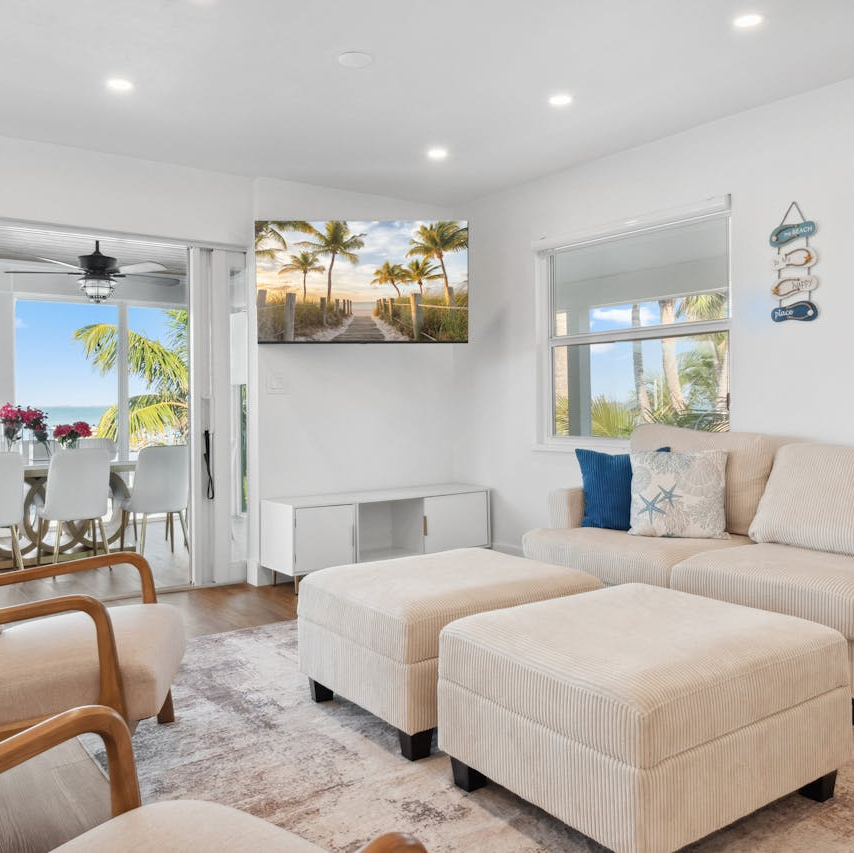
In 2025, light is one of the most powerful design elements shaping home value. The right lighting design can make small rooms feel expansive and transform daily mood. Natural light now ranks among the top priorities for homebuyers seeking comfort and mental well-being.
Why Does Natural Light Matter More Than Ever?
Sunlight impacts energy, sleep, and emotional health. A home filled with natural light feels spacious and alive. Skylights, large windows, and open floor plans increase light flow and reduce the need for artificial illumination during the day.
Architectural design has adapted to emphasize exposure to daylight. You will often find homes oriented strategically toward sunrise and sunset to capture changing light throughout the day. This creates a natural rhythm inside the home that complements human biology and improves mood.
How Are Smart Lighting Systems Redefining Atmosphere?
Even artificial light has evolved. Smart lighting systems can now adjust color temperature and intensity according to the time of day. Warmer tones in the evening mimic sunset and prepare your body for rest, while cooler tones during the day encourage focus.
These systems integrate with energy-efficient bulbs and sensors to lower utility costs. In luxury homes, lighting control is no longer a feature; it is an expectation that supports comfort, sustainability, and customization.
Downsizing Without Downgrading
A growing number of buyers are intentionally choosing smaller homes that deliver higher quality of life. Compact, well-designed layouts with flexible spaces are now more desirable than oversized homes with unused rooms. This marks a major shift from how luxury was viewed a decade ago.
What Drives the Desire for Smaller Luxury Homes?
The cost of maintaining large properties, rising utility bills, and changing work patterns have made efficiency appealing. Homebuyers today prefer quality materials, better insulation, and multifunctional layouts over unnecessary square footage.
Architects and builders have responded by designing homes that maximize function. Sliding doors, built-in furniture, and modular designs allow you to adapt your home as your lifestyle evolves. This flexibility defines the new kind of luxury—where your space serves you, not the other way around.
How Do Smaller Homes Achieve a Sense of Luxury?
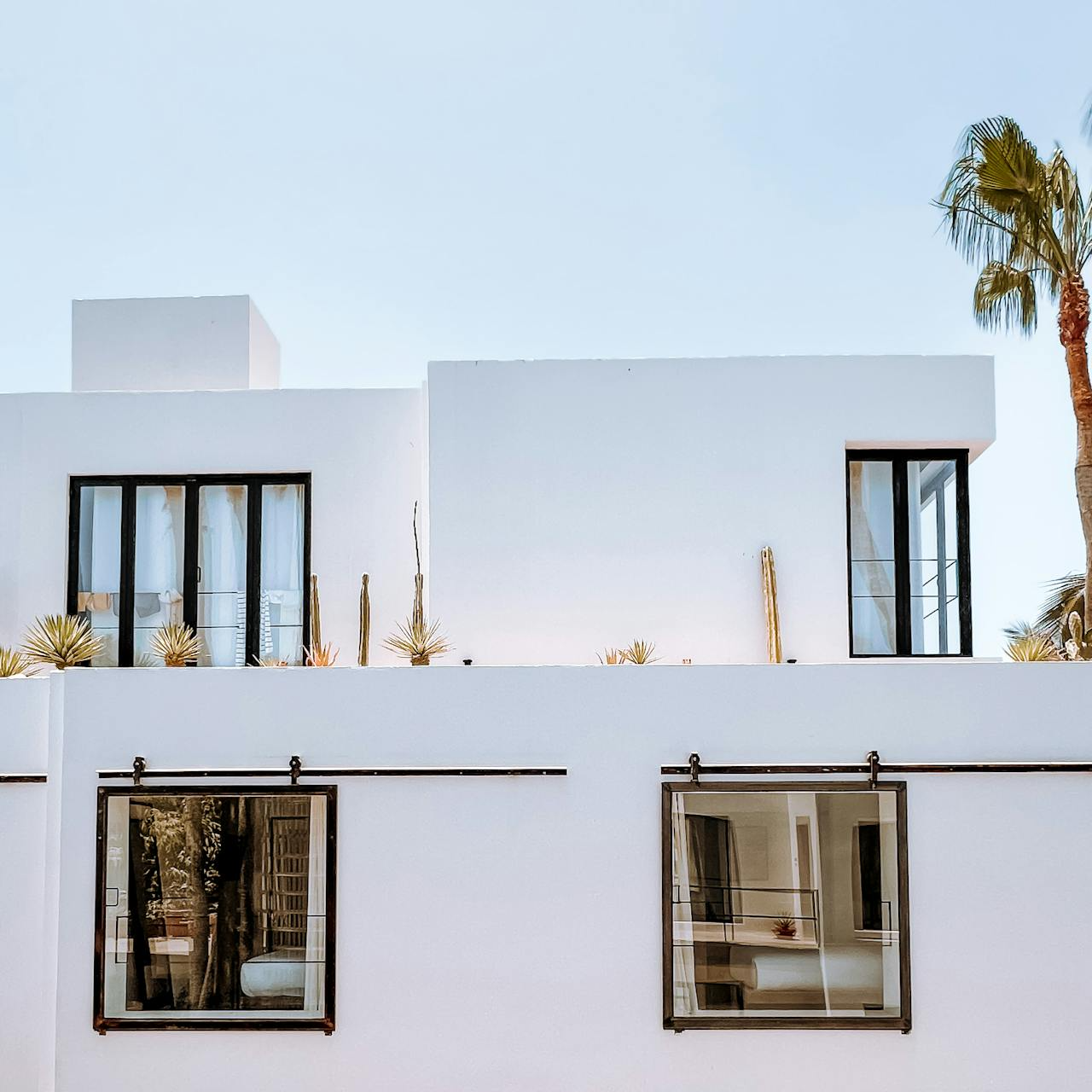
Designers now focus on seamless integration between indoor and outdoor spaces. Expansive glass walls, open courtyards, and compact gardens connect you with nature. High ceilings and smart storage systems make smaller areas feel airy and open.
Even in reduced spaces, elements like radiant floor heating, acoustic insulation, and minimalist lighting elevate comfort. The goal is not to impress through size but through refinement, precision, and emotional resonance.
Technology That Blends Into Design
Modern luxury homes use technology to simplify living, not dominate it. Hidden outlets, recessed speakers, and integrated appliances maintain visual calm while providing high performance.
How Does Technology Support the Luxury Experience?
Technology should feel invisible yet essential. Climate control, lighting, and security systems now operate quietly in the background, adjusting automatically to your preferences. These systems make your home responsive and intuitive, reducing manual effort while improving efficiency.
Voice-activated assistants, energy dashboards, and motion sensors allow you to monitor performance and adjust comfort levels instantly. In 2025, convenience is intelligent, discreet, and sustainable.
The Emotional Value of Thoughtful Spaces
Ultimately, luxury in 2025 is emotional. It reflects how a space makes you feel when you walk in, how it adapts to your daily rhythm, and how it connects to the environment around you.
Why Are Buyers Valuing Emotional Design?
A luxurious home no longer competes for attention. Instead, it creates calm. Natural light, texture, and clean energy align your surroundings with your values. You feel ownership not just of the property but of the lifestyle it supports.
Homeownership today is about longevity and meaning. A sustainable, textured, and well-lit home provides an enduring sense of fulfillment that no large space can replicate.
Homes That Reflect Modern Values
The modern definition of luxury has moved beyond marble floors and oversized spaces. In 2025, luxury is about sustainable design, natural materials, and light that breathes life into every corner. Buyers who understand this shift are making more rewarding long-term choices—both financially and emotionally.
If you are exploring homeownership, consider working with a licensed agent listed on this website who understands these evolving trends and can help you find a property that reflects true modern luxury.