Key Takeaways
-
Architectural style and neighborhood cohesion play a direct role in influencing long-term property values and buyer demand.
-
Understanding how architecture defines neighborhood character helps you make smarter decisions about where to buy and how that choice can impact appreciation over time.
Understanding The Connection Between Architecture And Neighborhood Identity
When you walk into a neighborhood, the first impression often comes from the architecture. The design of homes, the layout of streets, and the visual balance between old and new construction together create what is known as neighborhood character. This character isn’t just about looks. It reflects the area’s history, planning, and long-term desirability. Buyers tend to associate architectural harmony with stability, which often leads to stronger appreciation potential.
In many American cities, neighborhoods built around consistent architectural styles—such as craftsman, colonial, or mid-century modern—retain higher value because of their cohesive appeal. When architectural integrity is preserved through zoning and design guidelines, the entire neighborhood benefits from visual and cultural continuity.
Why Does Architectural Cohesion Matter To Buyers?
Neighborhoods where homes share a sense of architectural rhythm tend to attract buyers seeking reliability and long-term investment value. This consistency suggests that the community is well-managed and respected by its residents. A well-preserved neighborhood often signals:
-
Predictable resale value: Buyers can assess how similar homes have performed over time.
-
Aesthetic harmony: Streets that feel balanced appeal to a broader range of potential buyers.
-
Community pride: Shared design standards help maintain curb appeal and protect property values.
Over the years, appraisers and real estate professionals have noted that architectural disorder—where houses drastically differ in size, shape, or quality—can make valuation more complex and sometimes lower appreciation rates. Uniformity doesn’t mean identical homes, but rather designs that complement each other and the surrounding environment.
What Happens When A Neighborhood Loses Its Architectural Identity?
As urban areas evolve, newer construction can sometimes clash with existing styles. This can disrupt a neighborhood’s visual flow and reduce its perceived charm. When infill housing or modern remodels ignore surrounding design cues, the result is often mixed reactions from future buyers.
Inconsistent architecture can lead to:
-
Reduced buyer confidence in long-term value
-
A slower resale process due to limited appeal
-
Community disputes over zoning and renovation standards
On the other hand, thoughtful modern updates that align with a neighborhood’s architectural roots can revitalize interest without diminishing its identity. The goal is balance—preserving the charm that drew residents in the first place while allowing for tasteful modernization.
How Architecture Influences Future Appreciation
Architecture affects appreciation through both tangible and emotional channels. Tangibly, the style, age, and maintenance of a home determine how it competes in the market. Emotionally, homes that fit well into a neighborhood’s identity create comfort and nostalgia that draw repeat buyers.
Several architectural factors influence appreciation:
-
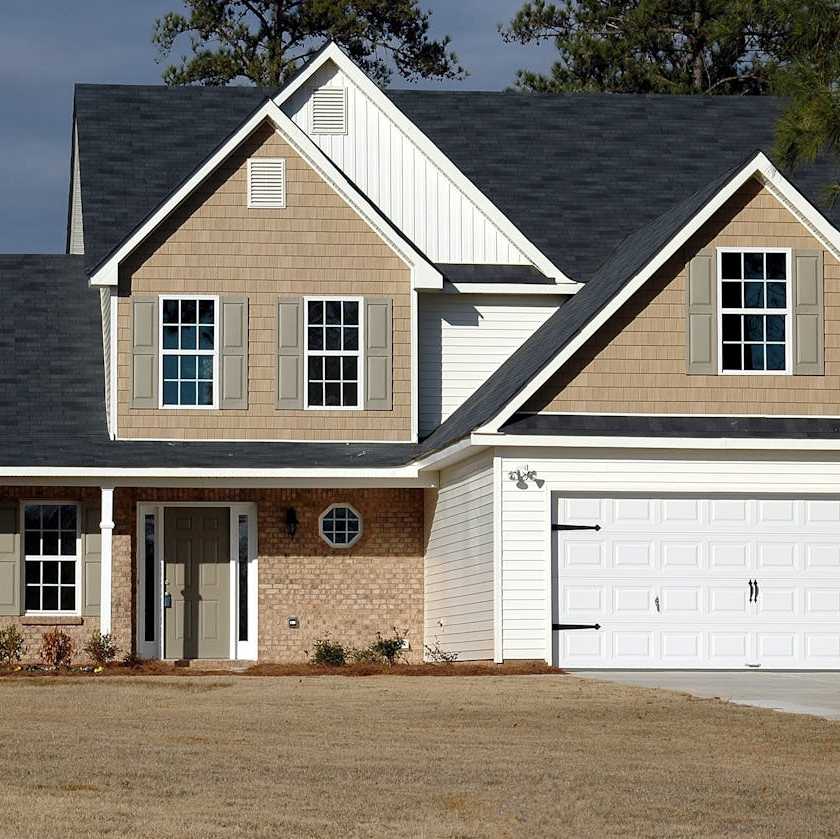
Timeless Design: Homes with enduring appeal, like craftsman or traditional brick exteriors, tend to weather market changes better than trend-based designs.
-
Material Quality: High-quality materials used in construction often signal durability, reducing long-term maintenance costs and supporting resale value.
-
Neighborhood Consistency: Streets with complementary styles retain higher aesthetic value, which correlates with price stability.
-
Historic Significance: Properties within historically designated districts often appreciate faster due to restricted alterations and preservation rules.
-
Environmental Design: Sustainable features, such as energy-efficient architecture or green building certifications, are increasingly contributing to higher appreciation in 2025.
In areas where architectural charm is protected through zoning, values tend to rise at a steadier pace compared to areas with loosely regulated construction.
Can Modern Architecture Increase Value In Older Neighborhoods?
Modern designs can add value if they respect the existing character of a neighborhood. A thoughtfully designed contemporary home that uses similar proportions, materials, or landscaping elements can enhance property values by signaling investment and modernization without disrupting the area’s personality.
However, when modern architecture ignores the surrounding context, it can create visual tension. Buyers who value aesthetic balance might see it as a mismatch, lowering perceived value. In contrast, areas that embrace architectural evolution with unified standards—such as mixed historical and modern developments with cohesive streetscapes—often experience faster appreciation.
How Zoning And Design Guidelines Shape Long-Term Value
Zoning laws and architectural review boards play a vital role in maintaining neighborhood identity. These regulations control what can be built or modified, ensuring that individual homeowner decisions do not negatively affect overall character. While some buyers may see design restrictions as limiting, they often protect investment by preventing visually disruptive projects.
Neighborhoods with established design review processes often experience slower depreciation and greater long-term appreciation. By 2025, many municipalities are revising local zoning codes to encourage architectural compatibility while promoting sustainable building standards. This shift supports both visual harmony and environmental goals, appealing to a new generation of eco-conscious buyers.
What Role Does Community Planning Play In Architectural Value?
Architecture doesn’t exist in isolation. The placement of homes, green spaces, sidewalks, and community facilities all interact with design to create a sense of place. Thoughtful urban planning enhances how architecture functions, making neighborhoods more walkable, cohesive, and visually balanced.
Community planning elements that influence value include:
-
Lot spacing and setbacks: Adequate spacing between homes improves privacy and curb appeal.
-
Street design: Curved streets, trees, and lighting enhance visual flow and walkability.
-
Public spaces: Parks and plazas designed to match local architecture reinforce identity and buyer appeal.
When these elements align, architectural beauty transforms into livability. Buyers are drawn not just to individual homes, but to the lifestyle that the neighborhood’s design supports.
How Do Architectural Styles Affect Buyer Psychology?
Homebuyers often make emotional decisions. Architecture triggers subconscious responses—comfort, familiarity, aspiration—that shape how a home feels. Colonial or craftsman styles might evoke tradition and reliability, while minimalist or industrial designs appeal to modern sensibilities. These emotions translate into perceived value.
When a neighborhood maintains a consistent visual story, buyers can picture themselves as part of that story. That sense of belonging often encourages stronger offers and higher resale demand. Architectural coherence gives buyers a clear signal of community pride and stability.
The Long-Term Payoff Of Architectural Awareness
As a homebuyer, paying attention to architecture means you are not just buying a property—you are buying into an aesthetic ecosystem. Over ten to twenty years, neighborhoods with well-maintained architectural themes typically outperform those that allow visual chaos. Even small design mismatches can compound over time, affecting how outsiders perceive value.
Before purchasing, it’s worth:
-
Reviewing local zoning and design standards.
-
Assessing how new construction fits with existing homes.
-
Observing whether residents maintain architectural balance.
This awareness helps you choose a property with greater appreciation potential, not just short-term appeal.
Investing In A Neighborhood That Reflects Architectural Integrity
Architecture defines more than a structure; it defines a sense of place. When you choose a neighborhood that values design consistency, you’re safeguarding your home’s future worth. A licensed agent listed on this website can help you evaluate the architectural traits that make certain areas more promising for long-term appreciation and community satisfaction.